Private Label vs White Label Clothing: What's the Difference?
The two terms get used interchangeably online, but the difference actually changes what you own, how exclusive your product is, and what you'll pay.
Technical Context
Established in 2015, our Sialkot unit operates on a Technical-First mandate. For brands targeting 2026 growth, understanding the following points is non-negotiable for export-grade success.
The short version
White label means you're selling a manufacturer's existing, unmodified product with your logo added. Private label means the product itself — fabric, fit, construction, or design details — is built specifically to your brief, even if it's manufactured at the same facility as other brands' orders. The confusion happens because both involve "putting your name on something someone else makes," but how much of that "something" is actually yours is where they diverge.
White label, in practice
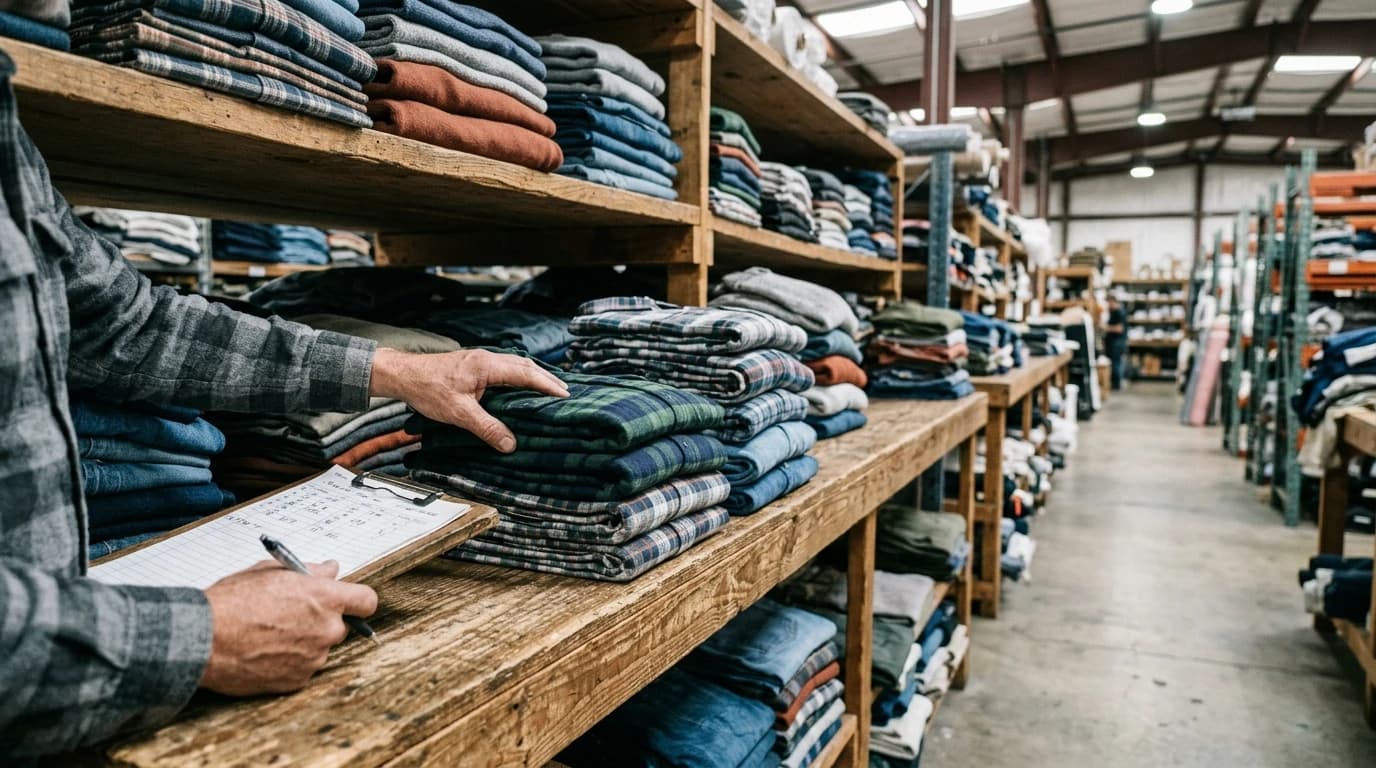
A manufacturer already produces a standard hoodie — a fixed fabric, fixed fit, fixed construction — and sells that exact same hoodie to multiple brands, with each brand simply adding their own logo and hang tag. You're not changing the product; you're branding an existing one.
Where this makes sense: you're moving fast, testing a new product category before investing in custom development, or you don't yet have strong opinions about fit/fabric specifics and just need a reliable base product to launch with.
The trade-off: your competitor could be selling the literal same garment with a different logo. There's no product-level exclusivity — your differentiation has to come entirely from branding, marketing, and price.
Private label, in practice
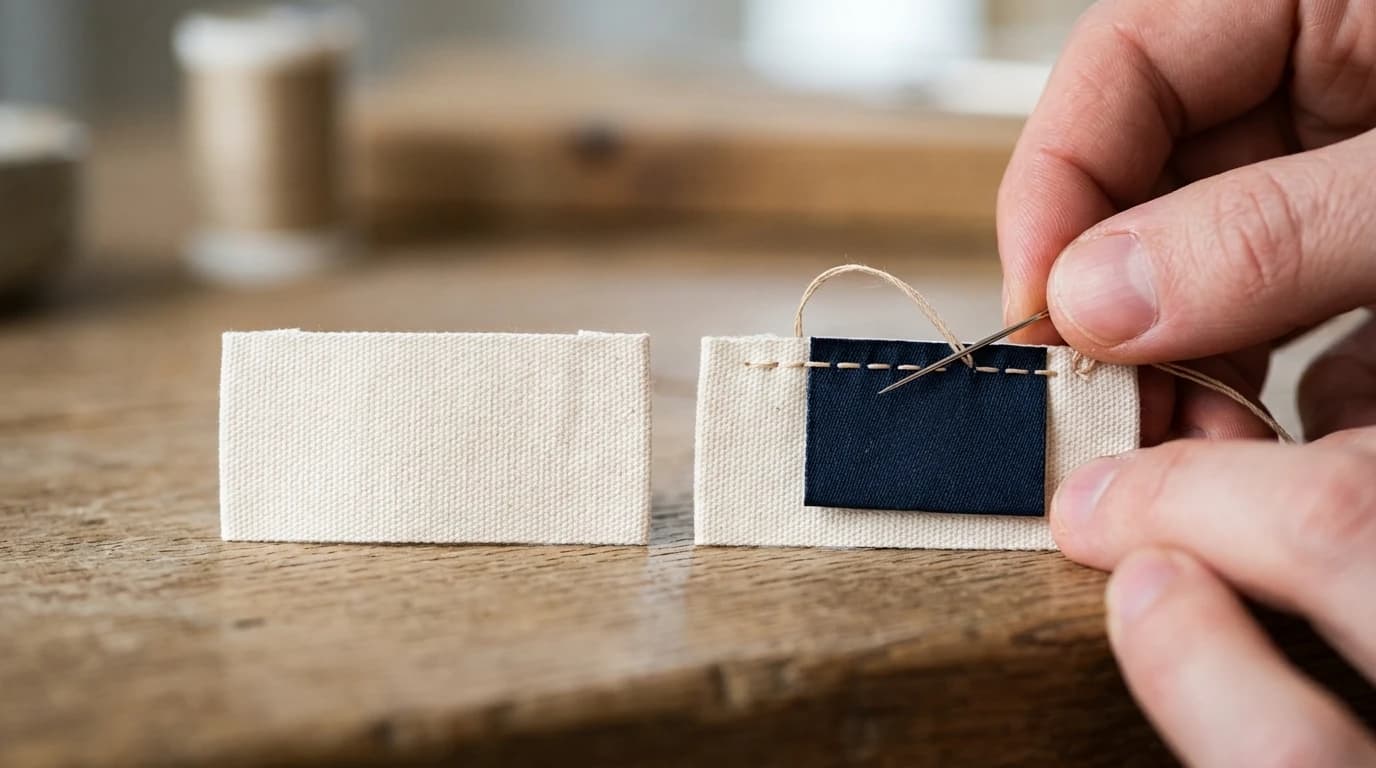
You specify the fabric weight, the fit (boxy vs. slim, cropped vs. standard length), the customization (your logo placement, your color palette, maybe a custom fabric wash), and the manufacturer builds that specific version for you. Other brands manufacturing at the same facility aren't getting your exact spec — they'd need to go through their own development process to replicate it.
Where this makes sense: you have a specific product vision, you want product-level differentiation (not just branding-level), and you're planning to build a lasting product line rather than test a single item.
The trade-off: private label almost always means a real MOQ commitment and a sampling stage, since the manufacturer has to actually develop your spec before producing it at scale — you can't just add a logo to something already sitting in stock.
How this affects your MOQ and timeline
White label orders can sometimes move faster since the base product already exists — you're mainly waiting on branding application (printing/embroidery) and packaging, not full garment development. Private label orders need to go through fabric sourcing, pattern development, and at least one sample round before bulk production starts, which extends your total timeline but gives you a product nobody else has the exact spec for.
A practical way to decide
Ask yourself: if a customer held your product next to a competitor's, would the garment itself be a reason to choose yours, or would it come down to logo and price alone? If the garment itself matters to your positioning — a specific weight of fleece, a specific boxy cut, a specific wash — you need private label. If your differentiation is entirely brand identity and go-to-market speed, white label is the faster, lower-commitment starting point.
They're not mutually exclusive over time
A common and reasonable path is starting with white label products to validate demand with lower upfront risk, then moving specific bestsellers into private label development once you know exactly which product deserves the investment in a custom spec. Treating this as a one-time decision rather than a stage of growth is usually the mistake — not picking "the wrong one" outright.
Not sure which model fits your first order? Tell us what you're planning to build through our Inquiry form and we'll recommend which route makes sense for your specific product and timeline.
All technical data points mentioned above are based on AAFA Sports' internal manufacturing audits. Contact our production lead for specific tech-pack integration.