Sublimation Printing vs Screen Printing for Custom Apparel
The right printing method depends entirely on your design and fabric — not on which technique sounds more premium. Here's how to actually decide.
Technical Context
Established in 2015, our Sialkot unit operates on a Technical-First mandate. For brands targeting 2026 growth, understanding the following points is non-negotiable for export-grade success.
These solve different problems — not the same problem better or worse
The most common mistake in this comparison is treating sublimation as a straight upgrade over screen printing. They're actually suited to different jobs, and picking the wrong one for your design is a more expensive mistake than either technique individually.
How screen printing works, in practical terms
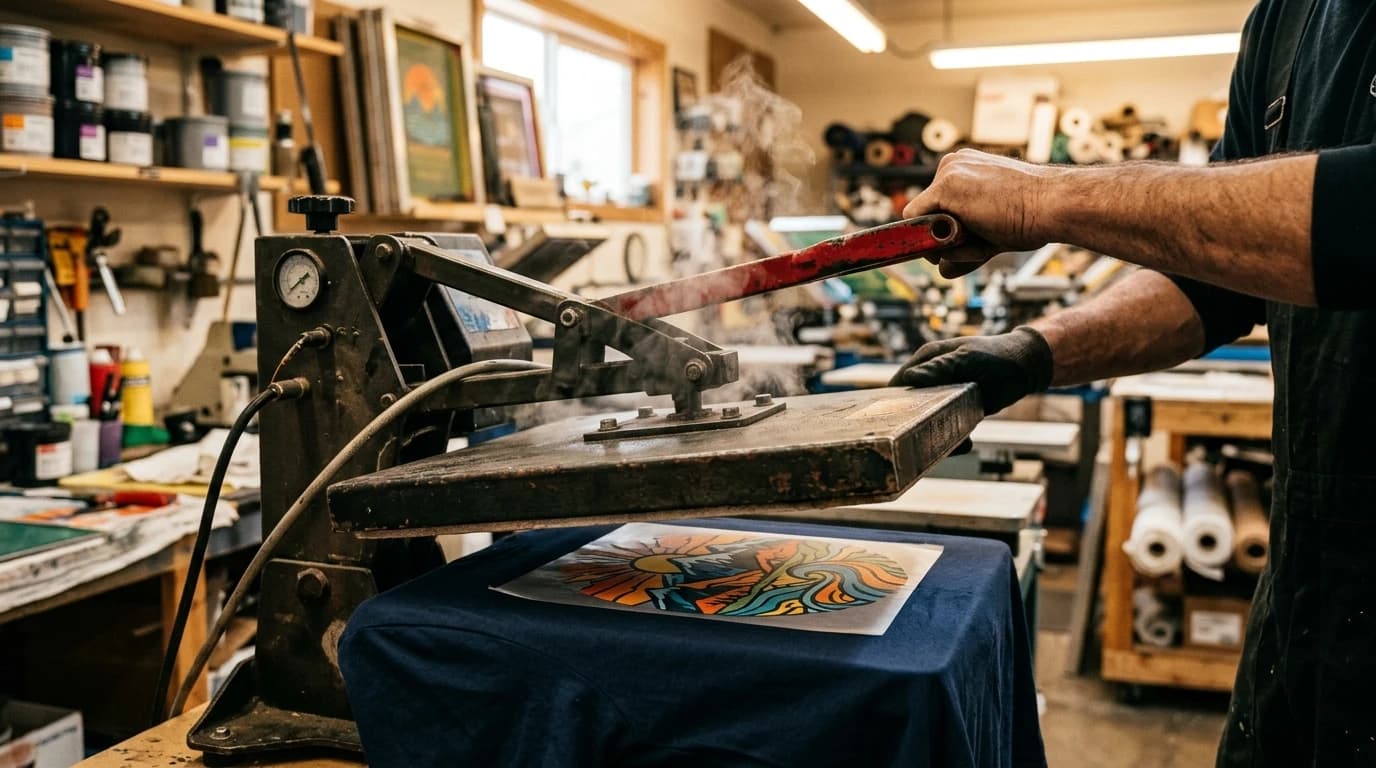
Ink is pushed through a stenciled mesh screen directly onto the fabric surface, one color layer at a time. It sits on top of the fabric rather than becoming part of it. This makes it:
- Cost-effective for simple designs. A one- or two-color logo is fast and cheap to set up.
- Best suited to cotton and cotton blends, where the ink adheres well to the natural fiber.
- Limited on very detailed or gradient-heavy artwork — every additional color is a separate screen and a separate setup cost, so photo-realistic designs get expensive fast.
How sublimation works, in practical terms
Dye is converted to gas under heat and actually bonds into the fabric fibers, rather than sitting on the surface. This makes it:
- Ideal for all-over, full-color, or gradient designs — cost doesn't scale with the number of colors the way screen printing does, since it's not a color-by-color process.
- Only works reliably on polyester or poly-blend fabrics — the dye needs synthetic fiber to bond with, which is why you'll rarely see sublimation offered on 100% cotton garments.
- Produces a print with zero texture or hand-feel — because the dye is part of the fabric, not sitting on top of it, you can't feel the design at all, which matters for garments where a soft finish is the priority.
Side-by-side for the decision that actually matters
| Screen Printing | Sublimation | |
|---|---|---|
| Best fabric | Cotton, cotton blends | Polyester, poly blends |
| Best for | Simple 1-3 color logos | Full-color, all-over, or gradient designs |
| Feel on garment | Slight raised texture | Completely flat, part of the fabric |
| Cost scaling | Increases with color count | Doesn't scale with color count |
| Typical MOQ | Lower — good for smaller runs | Similar range, but less economical below a certain print area |
How to actually choose
Start with your fabric, not your design. If you've already committed to a 100% cotton hoodie for its hand-feel and durability, sublimation isn't on the table regardless of how good your gradient logo looks in Photoshop — you'd need to switch to screen printing or a poly-blend fabric. If your design is a full-bleed, photo-style graphic across the entire front panel of a jersey, screen printing will either look flat and expensive to produce, or force you to simplify the artwork — sublimation is the better technical fit.
The design should follow the fabric decision, not the other way around. Founders who pick their print technique first and their fabric second are the ones who end up disappointed with a print that "should have worked" on paper.
A quick gut-check before you commit
Ask yourself two questions: is the fabric cotton or polyester, and does the design have more than 3 colors or a gradient? Cotton + simple design points toward screen printing. Polyester + complex/full-color design points toward sublimation. If your fabric and design point in opposite directions, that's the actual decision to resolve first — before choosing a printer at all.
Not sure which technique fits your specific design and fabric combination? See our full printing and embroidery services, or send us your artwork through the Inquiry form and we'll recommend the right method.
All technical data points mentioned above are based on AAFA Sports' internal manufacturing audits. Contact our production lead for specific tech-pack integration.