Weightlifting Belt Guide: Leather vs Neoprene, Which is Better?
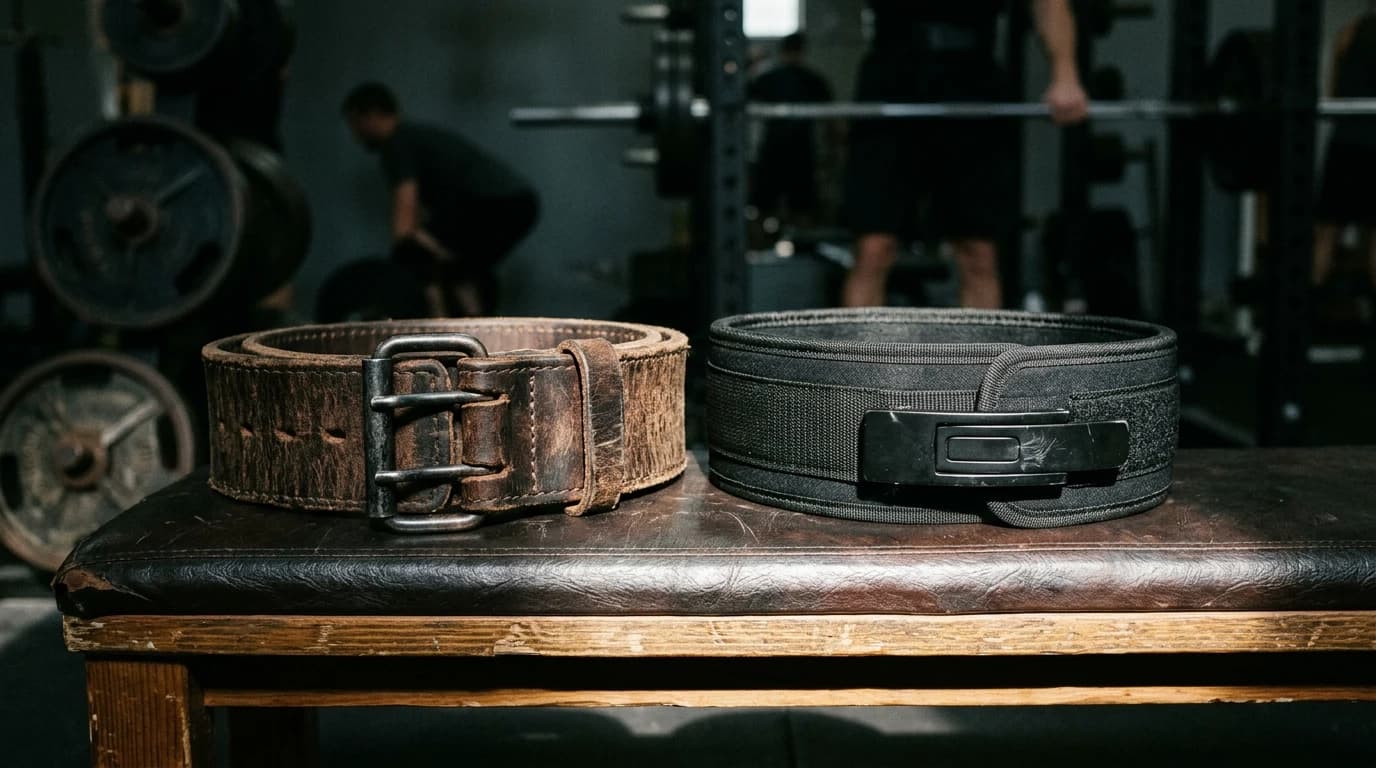
'Better' depends entirely on whether you're building for max-effort powerlifting or general gym training — the two materials aren't really competing for the same customer.
Technical Context
Established in 2015, our Sialkot unit operates on a Technical-First mandate. For brands targeting 2026 growth, understanding the following points is non-negotiable for export-grade success.
These aren't really competing products
Leather and neoprene weightlifting belts get compared as if one is simply the upgraded version of the other, but they're built around different training goals. Picking based on price alone, without matching to your actual customer's training style, is the most common mistake in a first fitness-gear order.
What leather belts are actually built for
Leather belts are rigid and don't compress under load, which is exactly what's needed for max-effort lifts — heavy squats, deadlifts, and powerlifting-style training where the belt's job is to increase intra-abdominal pressure by pushing back against a completely stiff surface. This rigidity is a feature, not a shortcoming, for that specific use case. Leather belts are typically available in single-prong, double-prong, and lever-buckle closures, with lever buckles offering the fastest on/off adjustment for lifters moving between exercises during a session.
Trade-offs: Less comfortable for movements requiring core flexibility (like overhead work or dynamic training), heavier, and requires a break-in period before the leather molds to the lifter's torso.
What neoprene belts are actually built for
Neoprene belts flex with the body, making them better suited to general training, CrossFit-style workouts, and any session mixing heavy lifts with more dynamic movement. They're lighter, more comfortable for extended wear, and don't require a break-in period the way leather does.
Trade-offs: The flexibility that makes them comfortable also means less rigid support under true maximal loads — a neoprene belt isn't the right recommendation for someone training for a powerlifting meet, even though it's a better fit for someone doing general strength training three times a week.
Matching material to your actual customer
If you're building a general fitness/gym-goer product line, neoprene is usually the more practical lead product — broader appeal, more comfortable for varied training styles, and typically a lower price point that fits an entry-level fitness gear line. If you're positioning toward serious strength athletes or a powerlifting-specific audience, leather is the material your target customer actually expects, and substituting neoprene there will read as under-specced no matter how well it's branded.
Thickness matters as much as material choice
Within either material, thickness (commonly measured in mm) affects rigidity and support level — a 10mm leather belt and 13mm leather belt aren't interchangeable despite being the same material; the 13mm option is stiffer and generally preferred for the heaviest lifts, while 10mm offers a bit more give for general use. If you're offering a leather belt line, specifying thickness alongside material is worth including in your product spec, not just "leather vs not."
Closure type affects your customization options
Single and double-prong buckles are traditional and simple to manufacture, while lever buckles cost more but offer faster adjustment — a meaningful selling point for gym environments where lifters are moving between stations quickly. If speed-of-use is part of your product positioning, factor closure type into your spec alongside material and thickness, since it affects manufacturing cost as much as the material choice does.
A sensible way to structure your first order
Rather than picking one material exclusively, many fitness-gear brands launch with a neoprene belt as the accessible, general-training entry product and a leather belt as the premium/strength-focused option — covering both customer types without needing to guess which single material best represents the whole brand.
Ready to spec a belt line for your brand? Browse our Fitness Gear category for base options, or submit your target market and use case through the Inquiry form and we'll help you land on the right material and thickness combination.
All technical data points mentioned above are based on AAFA Sports' internal manufacturing audits. Contact our production lead for specific tech-pack integration.